Learn Web Development In The Easiest Way
Web development focuses on building functional, responsive websites using programming, databases and UI design.
Introduction:
Web development plays a vital role in building the digital presence of any modern business. From simple websites to large-scale web applications, development involves coding, UI/UX design, databases, servers, and continuous optimization. A well-designed website not only looks attractive but also performs efficiently and offers a great user experience.
What is Web Development?
Web development is the process of creating and maintaining websites and web applications. It includes everything from designing web interfaces to developing backend logic that manages data and user interactions. A web developer ensures the website is responsive, user-friendly and functions smoothly across devices and browsers.
- Building functional & responsive websites
- Programming with frontend & backend languages
- Integrating databases for dynamic applications
- Optimizing UI/UX for better user experience
Types of Web Development
- Frontend Development – Designing UI using HTML, CSS, JavaScript, frameworks like React/Angular
- Backend Development – Server logic using Node.js, PHP, Python, Java, etc.
- Full-Stack Development – Combination of frontend & backend skills
Key Technologies Used in Web Development
- HTML, CSS, JavaScript (Core Basics)
- Bootstrap, Tailwind, React, Angular
- Node.js, PHP, Python (Django/Flask)
- MySQL, MongoDB, Firebase Databases
⚠️ Requirement: Continuous learning is important as web technologies evolve rapidly.
Why Learn Web Development?
- High demand in IT industry
- Freelancing & remote work opportunities
- Build your own projects/startup
- Endless creativity & innovation
Career Opportunities
- Frontend Developer
- Backend Developer
- Full-Stack Developer
- UI/UX Developer
- Web Application Developer
Conclusion:
Web development is an essential skill of the digital era. Whether you aim to build modern websites, scalable applications or enter the IT industry as a developer, learning web development opens countless career opportunities. Master fundamentals, practice projects and stay updated with latest technologies to grow in this field.
👉 Learn advanced and structured web development training with Our Institute to build professional projects and become job-ready.
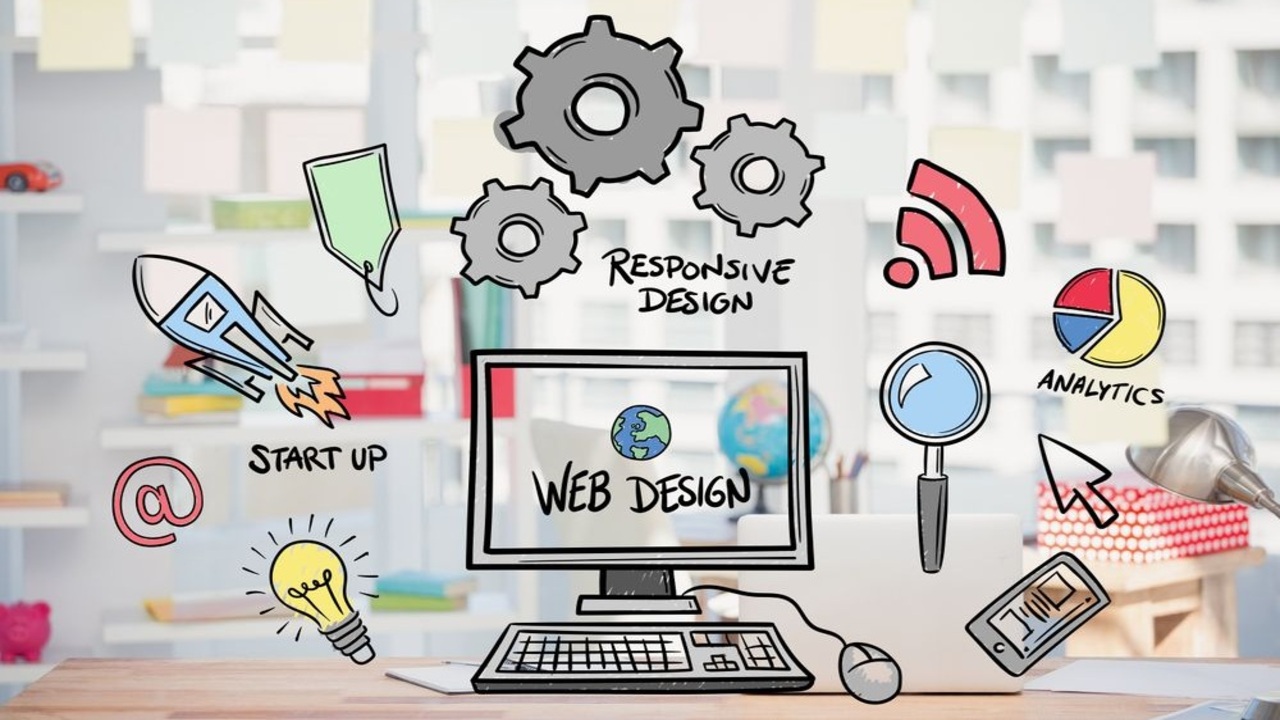
Learn Web Design In The Easiest Way
Learn UI/UX, layouts, typography and color principles to design high-converting website interfaces that users love browsing.
Introduction:
Web development plays a vital role in building the digital presence of any modern business. From simple websites to large-scale web applications, development involves coding, UI/UX design, databases, servers, and continuous optimization. A well-designed website not only looks attractive but also performs efficiently and offers a great user experience.
What is Web Development?
Web development is the process of creating and maintaining websites and web applications. It includes everything from designing web interfaces to developing backend logic that manages data and user interactions. A web developer ensures the website is responsive, user-friendly and functions smoothly across devices and browsers.
- Building functional & responsive websites
- Programming with frontend & backend languages
- Integrating databases for dynamic applications
- Optimizing UI/UX for better user experience
Types of Web Development
- Frontend Development – Designing UI using HTML, CSS, JavaScript, frameworks like React/Angular
- Backend Development – Server logic using Node.js, PHP, Python, Java, etc.
- Full-Stack Development – Combination of frontend & backend skills
Key Technologies Used in Web Development
- HTML, CSS, JavaScript (Core Basics)
- Bootstrap, Tailwind, React, Angular
- Node.js, PHP, Python (Django/Flask)
- MySQL, MongoDB, Firebase Databases
⚠️ Requirement: Continuous learning is important as web technologies evolve rapidly.
Design & UX Skills
Learn UI/UX, layouts, typography and color principles to design high-converting website interfaces that users love browsing.
Good design balances user needs with business goals — clear information hierarchy, intuitive navigation, accessible layout, and persuasive visual cues all contribute to higher conversions and better retention.
Why Learn Web Development?
- High demand in IT industry
- Freelancing & remote work opportunities
- Build your own projects/startup
- Endless creativity & innovation
Career Opportunities
- Frontend Developer
- Backend Developer
- Full-Stack Developer
- UI/UX Designer
- Web Application Developer
Practical Learning Approach
- Start with fundamentals: HTML, CSS, JavaScript
- Build small projects and progressively increase complexity
- Learn version control (Git) and deployment basics
- Study UI/UX patterns, accessibility and testing
Conclusion:
Web development is an essential skill of the digital era. Whether you aim to build modern websites, scalable applications or enter the IT industry as a developer, learning web development opens countless career opportunities. Master fundamentals, practice projects and stay updated with latest technologies to grow in this field.
👉 Learn advanced and structured web development training with Our Institute to build professional projects and become job-ready.
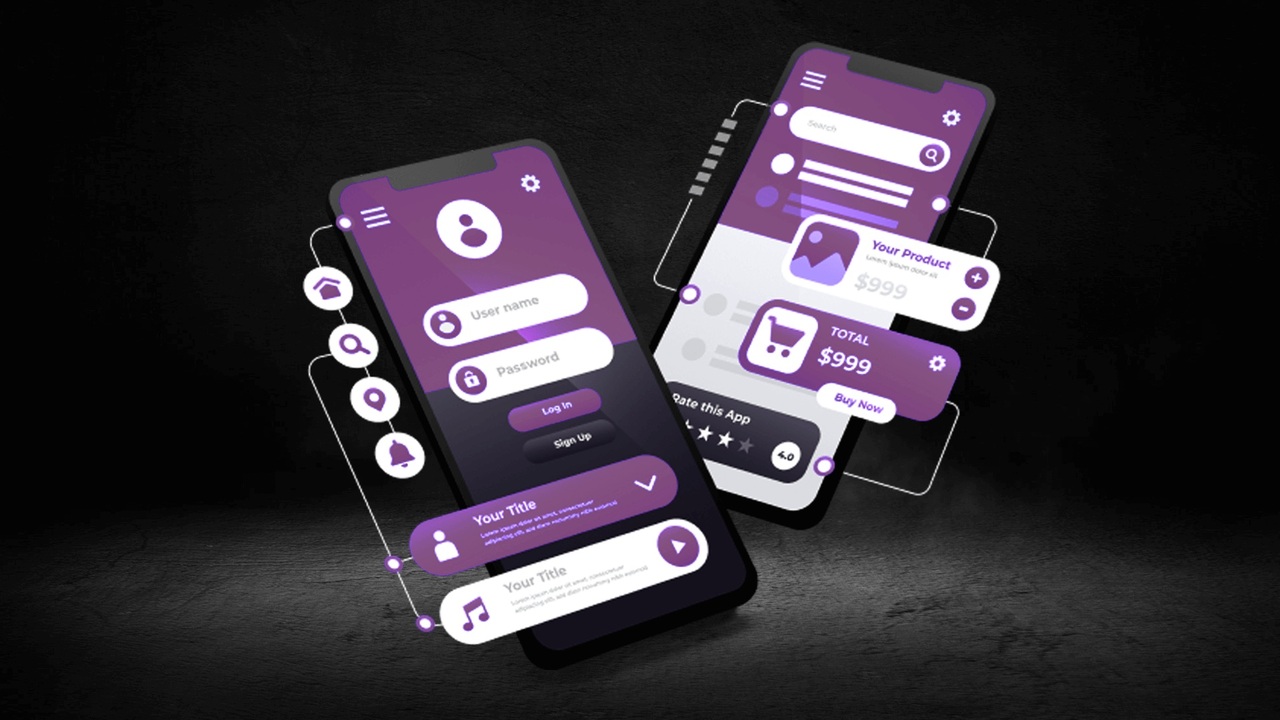
Learn App Development In The Easiest Way
Master mobile and desktop app development including UI design, coding, testing and deployment across platforms.
Introduction:
Learn App Development In The Easiest Way. App Development is the process of designing, coding, testing, and delivering software applications that run on various platforms such as smartphones, tablets, laptops, and desktops. It involves various steps, from ideation and planning to development and deployment.
Why App Development Matters
App development has become increasingly popular over the last decade due to the proliferation of smartphones and the widespread adoption of the internet. Businesses and individuals can now reach users anytime, anywhere, through high-performing, interactive, and user-friendly applications.
- Mobile apps for iOS and Android
- Web applications for desktops and browsers
- Cross-platform apps using frameworks like Flutter, React Native
- Enterprise applications for business solutions
Key Steps in App Development
- Ideation and concept design
- Wireframing and UI/UX design
- Coding and programming
- Testing and debugging
- Deployment and maintenance
Technologies Used in App Development
- Swift, Kotlin for native apps
- JavaScript, React Native, Flutter for cross-platform apps
- Backend: Node.js, PHP, Python, Firebase
- Databases: MySQL, MongoDB, SQLite
Career Opportunities
- Mobile App Developer
- Frontend/Backend App Developer
- UI/UX Designer for Apps
- Full-Stack App Developer
- Freelance App Developer / Startup Founder
Conclusion:
App development opens a world of possibilities for businesses, startups, and aspiring developers. By understanding platforms, technologies, and user needs, anyone can create high-quality applications that serve real-world purposes.
👉 Start your journey with Our Institute to learn app development in an easy and structured way, and build your own professional apps.
Learn JavaScript Programming In The Easiest Way
JavaScript adds dynamic functionality to websites, including animations, forms, API integration and backend logic.
Introduction:
Learn JavaScript programming In The Easiest Way. JavaScript is a high-level, interpreted programming language that is widely used for web development. It was first introduced in 1995 by Netscape Communications Corporation as a scripting language for web browsers. Since then, it has evolved into a versatile and essential tool for front-end and back-end development.
Why JavaScript is Important
JavaScript allows developers to create interactive and dynamic web pages. It is the backbone of modern web applications and works alongside HTML and CSS to enhance user experience. Today, JavaScript is not limited to the browser — it is also used on the server-side with technologies like Node.js.
- Create dynamic web page content
- Build interactive UI components
- Develop full-stack applications with Node.js
- Support mobile app development with frameworks like React Native
Core Concepts of JavaScript
- Variables, Data Types, and Operators
- Functions and Scope
- Objects, Arrays, and JSON
- DOM Manipulation and Event Handling
- Asynchronous JavaScript: Promises, Async/Await
Popular JavaScript Frameworks & Libraries
- React.js – Frontend UI library
- Angular – Frontend framework
- Vue.js – Frontend framework
- Node.js – Backend runtime environment
Career Opportunities
- Frontend Developer
- Backend Developer (Node.js)
- Full-Stack Developer
- JavaScript Framework Specialist (React, Angular, Vue)
- Freelance Web Developer
Conclusion:
JavaScript is an essential skill for anyone pursuing a career in web development. By mastering JavaScript, you can build dynamic websites, interactive applications, and full-stack solutions. Start learning today to create modern, responsive, and user-friendly applications.
👉 Join Our Institute to learn JavaScript in the easiest and most structured way, and build your own projects professionally.
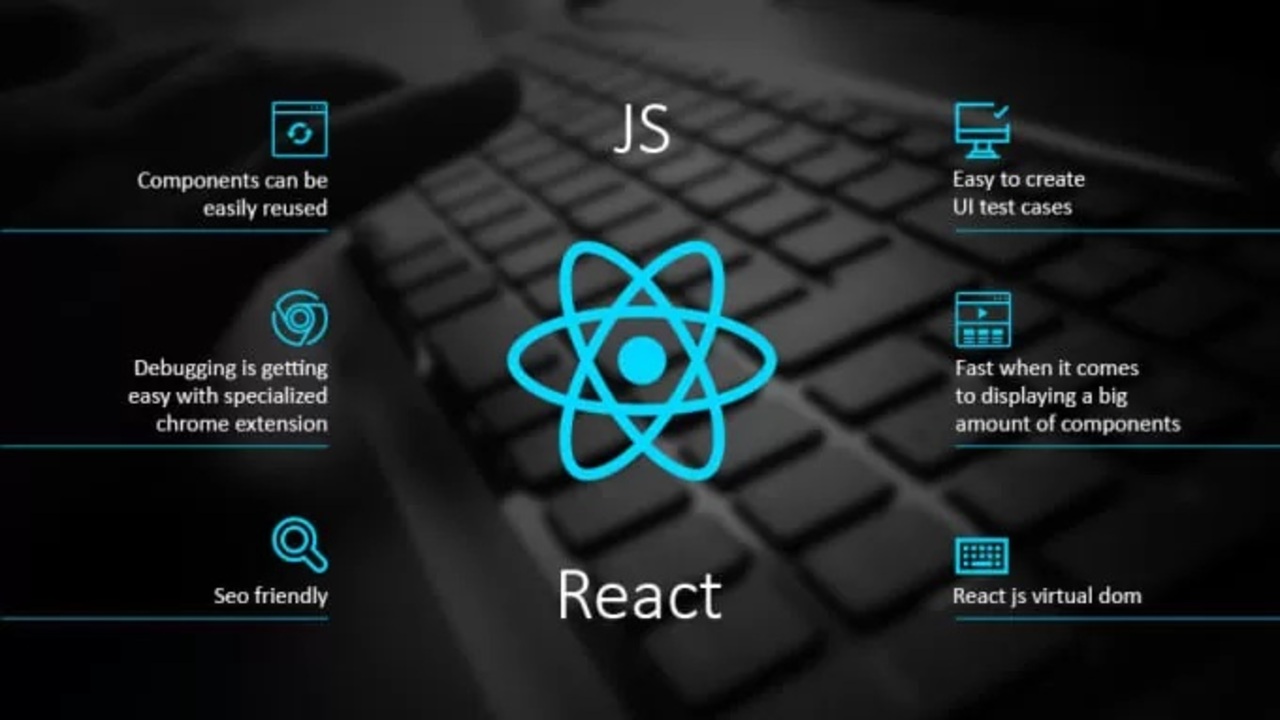
Learn ReactJS In The Easiest Way
ReactJS is a component-based library used to build super-fast user interfaces used in modern apps.
Introduction:
Learn ReactJS In The Easiest Way. ReactJS is a popular JavaScript library for building user interfaces. Developed and maintained by Facebook, it was first released in 2013 and has since become one of the most widely used libraries for building web applications.
Why ReactJS is Popular
React is based on the concept of components, which are small, reusable pieces of code that represent a piece of the user interface. This modular approach allows developers to build complex UIs efficiently, manage state effectively, and create interactive applications that perform well across devices.
- Component-based architecture
- Virtual DOM for fast rendering
- Reusable UI components
- Integration with popular tools like Redux and React Router
Core Concepts of ReactJS
- JSX – JavaScript XML syntax for templating
- Components – Functional and Class-based
- State and Props for data management
- Lifecycle methods and hooks (useState, useEffect)
- Event handling and conditional rendering
ReactJS Ecosystem & Tools
- Redux / Context API – State management
- React Router – Routing and navigation
- Next.js – Server-side rendering framework
- Testing: Jest, React Testing Library
Career Opportunities
- Frontend Developer (ReactJS)
- Full-Stack Developer (React + Node.js)
- React Native Mobile App Developer
- UI Developer
- Freelance React Developer
Conclusion:
ReactJS is an essential library for modern web development. By mastering React, you can build reusable, efficient, and interactive user interfaces for web and mobile applications. Its component-based approach simplifies development and accelerates project delivery.
👉 Join Our Institute to learn ReactJS in the easiest and most structured way, and start building professional-grade applications today.